Santiago De Compostela Tours

Quick Information

ADDRESS

#Praza do Obradoiro, s/n, 15704 Santiago de Compostela, A Coruña, Spain

NUMBER OF ENTRANCES

2

Did you know?

The twin towers of the west facade rise to approximately 75 meters above the plaza floor.

The central nave stretches approximately 97 meters long and reaches approximately 22 meters in height.

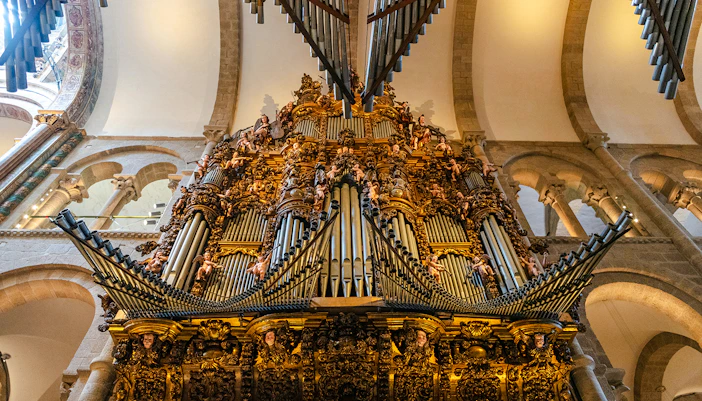
The Botafumeiro weighs approximately 53 kg and requires eight tiraboleiros to operate it.

Is Santiago de Compostela Cathedral worth visiting?

The first thing you notice is the scale: stone arches rising above the nave, intricate details surrounding the high altar, and pilgrims moving through a space shaped by centuries of devotion. After the bustle of Praza do Obradoiro, the Cathedral feels like the heart of Santiago.

Built around the shrine of Saint James the Apostle, it became the destination of the Camino de Santiago and one of Europe's most important pilgrimage sites. That history still shapes the experience, from the Romanesque core to the richly decorated Baroque additions and the Pórtico de la Gloria.

The appeal is not just architecture. It is the connection between art, pilgrimage, and an active place of worship, with the Cathedral still welcoming pilgrims and visitors today.

Skip it if you prefer purely secular attractions or want a museum-style experience without religious activity; this remains an active place of worship, with regular services and occasional restrictions during celebrations.

What to see inside Santiago de Compostela Cathedral?

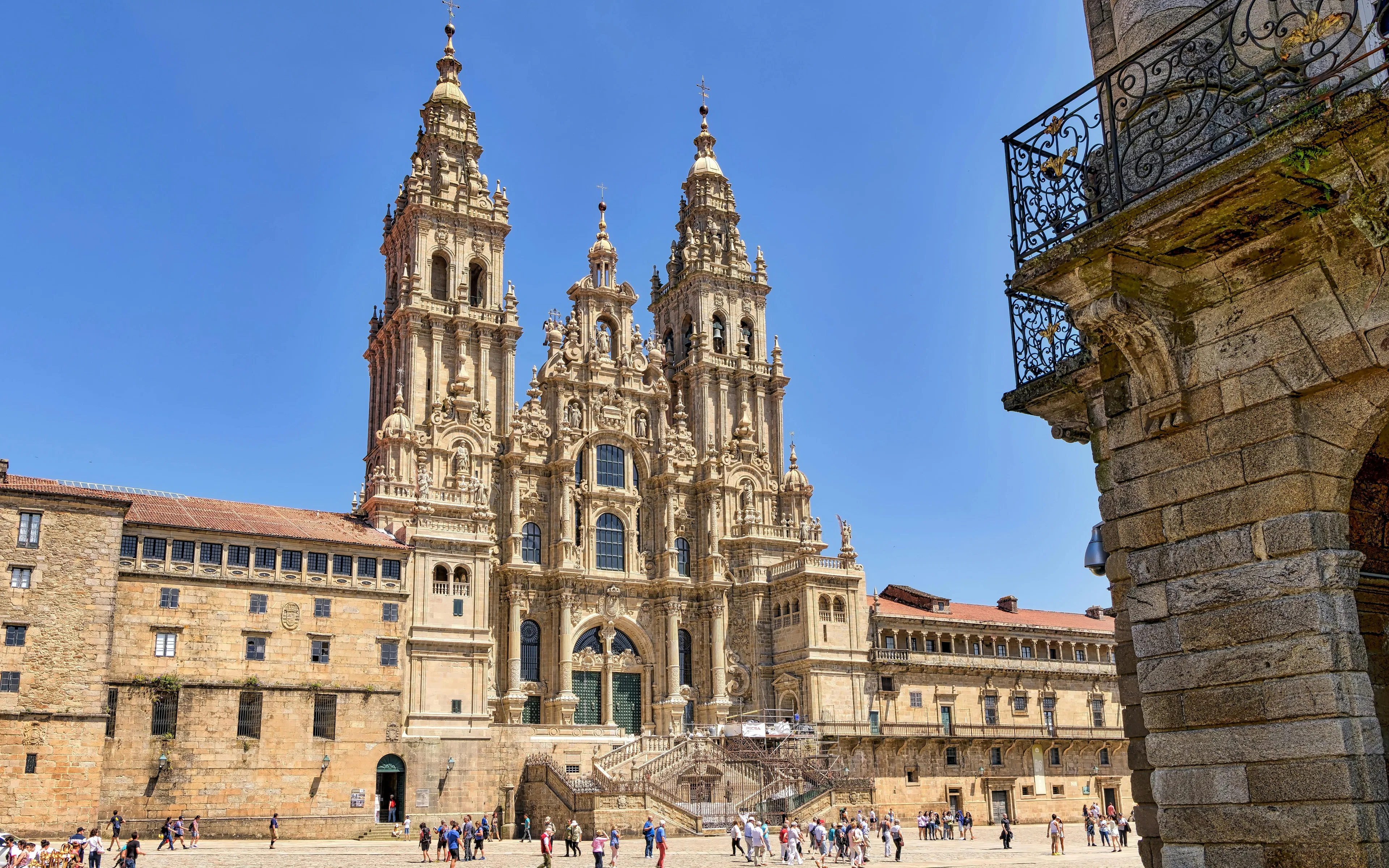
Santiago De Compostela Cathedral in Obradoiro Square with visitors exploring.
1/6

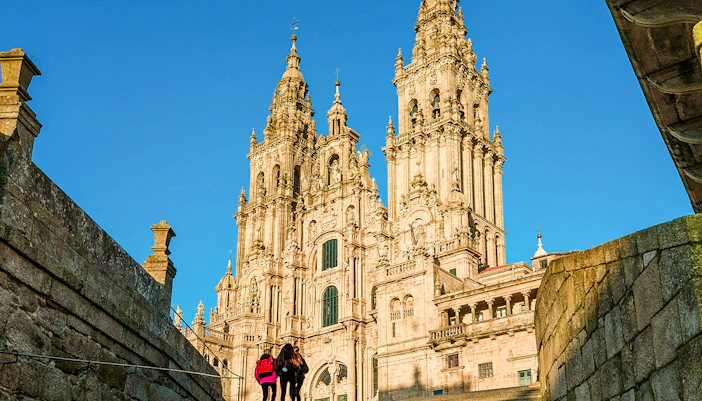
Obradoiro façade

The vast Baroque west front is the image most travelers carry home. Stand back in Praza do Obradoiro to see how the towers frame the square, then move closer to catch the dense carving and weathered granite details.

The nave and high altar

Inside, the long Romanesque body of the church pulls your eye straight toward the gilded main altar. Visit early for more space; by late morning, the central aisle can feel crowded with pilgrims and tour groups.

Shrine of Saint James

Beneath the altar lies the crypt associated with the Apostle James, the spiritual center of the cathedral. This is where the building shifts from monument to pilgrimage site, and queues often build here first.

Pórtico de la Gloria

Maestro Mateo’s sculpted portico is the cathedral’s artistic centerpiece, full of prophets, apostles, and intricate medieval carving. Access is ticketed and timed, with guided entry in small slots, so book ahead if it matters to your visit.

The cathedral museum and treasury

The museum complex adds the cloister, treasury, manuscript heritage, and palace rooms that the free church visit cannot show. It’s the best place to understand how the cathedral functioned beyond worship. Budget at least 1 hour.

Pilgrim’s Mass and the Botafumeiro

Even if you are not on the Camino, the noon Pilgrim’s Mass shows the cathedral as a living church rather than a static landmark. The Botafumeiro appears only on selected occasions, and seats fill well before the service begins.

Your guide to visit Santiago de Compostela Cathedral

How much time to spend?

Allow around 1–2 hours for the Cathedral Museum and Pórtico experience, depending on how deeply you explore the included collections, chapels, and interpretive spaces. The Pórtico audio-guided visit itself takes about 25 minutes, while the guided Pórtico and Museum experience lasts around 90 minutes. Locals often combine a quick morning visit with a second, quieter return later in the day.

Suggested route to follow

Start in Praza do Obradoiro, where locals often pause before entering, especially early morning or late afternoon when crowds are lighter. If you have a timed Pórtico or guided visit, follow your ticket slot and arrive at least 15 minutes early. Afterward, explore the Museum spaces at your own pace, ideally before lunch or after the main Pilgrim’s Mass rush.
Must-see highlights

  • Must-see: the Cathedral nave, Main Chapel, shrine of Saint James, and the Pórtico of Glory, which locals often revisit for its detail. Add the Cathedral Museum and Gelmírez Palace for deeper context.
  • Optional: the crypt beneath the Pórtico and the rooftop views if included in your ticket, which offer a different perspective of the city and surrounding squares.

Worth adding nearby

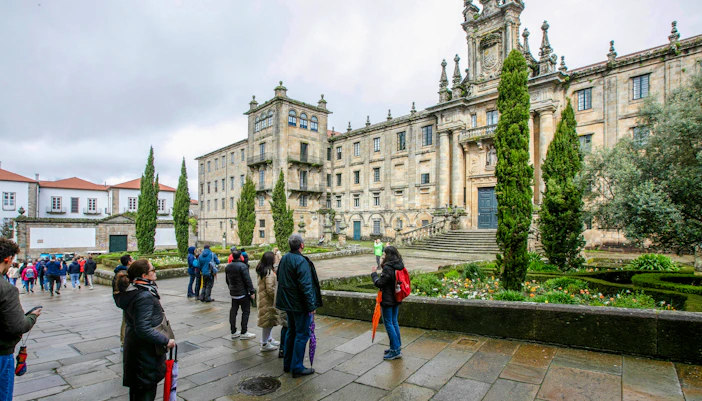
The historic center around the Cathedral is best explored on foot, as locals do between errands, cafés, and daily life. Your guided or free walking tours can take you through Praza das Praterías, Mercado de Abastos, and hidden alleys filled with pilgrim stories. It’s also common to revisit these streets in the evening when the city feels calmer and more atmospheric.

Choosing your experience style

Choose an audio-guided experience if you prefer flexibility and want to explore at your own pace. It lets you pause, linger, and move through the Pórtico and Museum spaces in a more personal way, following the story without a fixed schedule.

Choose a guided tour if you want structured storytelling that connects the Cathedral, Museum, and Pórtico. It’s especially useful for first-time visitors who want a clear overview of the Cathedral’s history, architecture, and key artworks in one narrative.

For a broader experience, a walking tour of Santiago’s historic center is the best complement, adding context through the city’s squares, legends, and Camino routes.

Brief history of Santiago de Compostela Cathedral

  • 9th century: The discovery of remains traditionally identified with Saint James the Apostle establishes Santiago as an important pilgrimage destination.
  • 1075: Construction of the present Romanesque Cathedral begins, replacing earlier structures associated with the apostolic shrine.
  • 1168–1188: Maestro Mateo and his workshop create the Pórtico of Glory, one of the Cathedral's most important medieval artistic achievements.
  • 1211: The Cathedral is consecrated, strengthening Santiago's position as a major Christian pilgrimage center.
  • 17th–18th centuries: Extensive Baroque additions transform the Cathedral's exterior and give Praza do Obradoiro its monumental character.
  • Today: The Cathedral remains an active place of worship and the traditional destination of the Camino de Santiago, while its Museum and Pórtico welcome visitors from around the world.

Architecture & design of the Santiago de Compostela Cathedral

Approach from Praza do Obradoiro and the Cathedral presents a monumental Baroque façade of towers, sculptural details, and layered stone. Inside, the atmosphere changes: the Romanesque core is defined by a long nave, substantial stone piers, chapels, and a strong sense of movement toward the eastern end.

That contrast is part of the Cathedral's character. Romanesque foundations and later Baroque additions coexist within a building shaped by centuries of pilgrimage, worship, and artistic change.

Look closely at the sculptural details, vaulted spaces, and the Pórtico of Glory to see how architecture and religious storytelling work together throughout the complex.

Who built it?

Construction began in 1075 under Bishop Diego Peláez, with Archbishop Diego Gelmírez playing an important role in its development as Santiago grew in pilgrimage importance. Maestro Mateo and his workshop created the Pórtico of Glory, while later architects and artists added the Baroque elements that define much of the Cathedral's exterior.

Why Jacobean years matter here

A Jacobean year occurs when July 25, the feast of Saint James, falls on a Sunday. These years traditionally bring increased pilgrimage activity and special religious significance to Santiago. For visitors, this can mean a busier Cathedral and a stronger sense of the city's role as the destination of the Camino. Streets fill with pilgrims arriving from different routes, and religious ceremonies tend to be more frequent and more elaborate than usual. It is considered one of the most meaningful moments to experience the Cathedral, both spiritually and culturally.

Frequently asked questions about Santiago de Compostela Cathedral

No. Entry to the main Cathedral is free, although access can be restricted during religious celebrations. Paid tickets are available for experiences such as the Pórtico of Glory, Museum, audio-guided visits, and guided tours.